Choosing Between Hot Rolled and Cold Rolled Steel Distributors
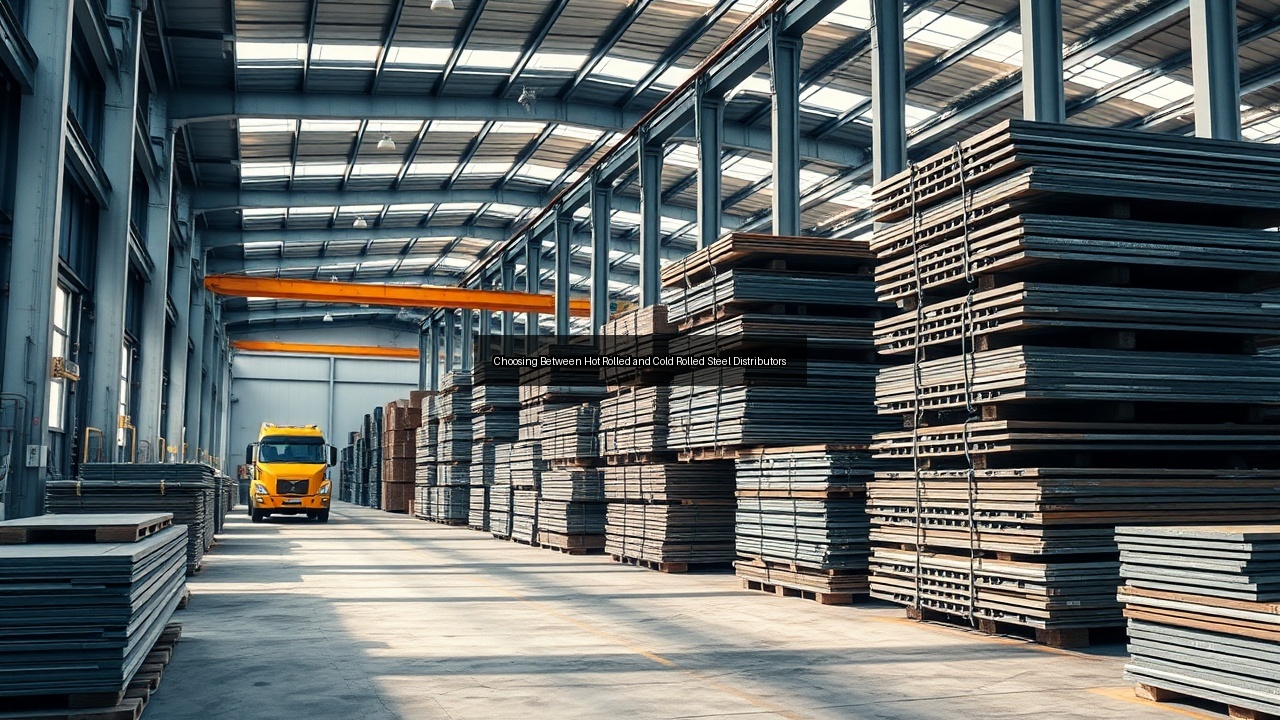
Understanding Hot Rolled and Cold Rolled Steel
Definition of Hot Rolled Steel
Hot rolled steel is produced by rolling steel at high temperatures, typically above 1,700°F. This process allows the metal to be shaped and formed into various products while in a malleable state. The high temperature makes it easier to work with, resulting in sheets, plates, or bars that often have a rough, scaled surface. This type of steel is ideal for applications where precise dimensions are not critical. steel metal distributor Industries frequently use hot rolled steel in construction, heavy machinery, and automotive manufacturing due to its versatility and lower cost compared to cold rolled steel.
Definition of Cold Rolled Steel
Cold rolled steel undergoes a different manufacturing process. It is rolled at room temperature, which imparts a smoother finish and tighter tolerances than hot rolled steel. This meticulous process enhances the steel’s strength and surface quality, making it suitable for applications requiring precision. Cold rolled steel often finds its way into products like automotive body panels, furniture, and appliances. Manufacturers favor it in projects where a polished appearance and dimensional accuracy are paramount. The additional processing involved typically increases the cost, yet many industries view the investment as worthwhile due to the enhanced properties.
Key Differences Between Hot Rolled and Cold Rolled Steel
The primary differences between hot rolled and cold rolled steel lie in their processing methods and resulting characteristics. Hot rolled steel tends to have a rough surface and is steel metal distributor often less expensive, making it a go-to choice for structural applications. Cold rolled steel, on the other hand, boasts a smoother finish, higher strength, and better dimensional accuracy. This distinction leads to varied applications in different industries. While hot rolled steel is ideal for large-scale construction and heavy-duty machinery, cold rolled steel shines in manufacturing high-quality components such as tool steels and high-speed steel. Additionally, the choice between these two types often depends on the specific requirements of the project at hand.
Choosing the Right Steel Distributor
Factors to Consider When Selecting a Distributor
Selecting the right steel distributor involves several critical factors. First, evaluate the distributor’s inventory of hot rolled and cold rolled steel to ensure they can meet your specific needs. A well-stocked distributor typically offers a variety of sizes and grades, which can save you time and money. Next, consider their delivery capabilities. Timely delivery is essential in industries that depend on a consistent supply chain. Flexibility in order quantities can also be an advantage, especially for small to medium-sized enterprises that may not need large volumes. Lastly, assess their customer service quality. A responsive distributor can help you navigate challenges and provide valuable insights into material selection and pricing.
Evaluating Distributor Pricing for Hot and Cold Rolled Steel
Pricing plays a significant role in choosing a steel distributor. Hot rolled steel generally costs less than cold rolled steel, but variations can occur based on market demand, quality, and location. When evaluating pricing, consider not just the per-ton cost but also additional factors such as shipping fees and taxes. Some distributors may offer bulk discounts or financing options, which can further influence your decision. Comparing quotes from multiple distributors helps identify competitive pricing, but be wary of deals that seem too good to be true. Quality should never be compromised for price. Ensure the distributor provides quality certifications and adheres to industry standards, which can save costs in the long run by preventing material failures.
Importance of Distributor Reputation in the Steel Industry
A distributor's reputation significantly impacts your purchasing experience. Established distributors often have a proven track record of reliability and quality. Researching customer reviews and testimonials provides insights into their service quality and product offerings. A distributor with a solid reputation typically invests in maintaining strong relationships with steel mills, ensuring a steady supply of high-quality materials. Additionally, industry certifications can indicate a distributor’s commitment to quality and safety standards. Engaging with a reputable distributor reduces the risk of delays, subpar materials, and unexpected costs, making it a vital consideration in your selection process.
Applications of Hot Rolled and Cold Rolled Steel
Uses of Hot Rolled Steel in Vehicles and Machinery
Hot rolled steel finds extensive applications in the automotive and machinery sectors. Its durability and lower cost make it an ideal choice for manufacturing components like frame structures, chassis, and heavy equipment. In vehicles, hot rolled steel provides the necessary strength to withstand high-stress environments while remaining cost-effective. Manufacturers prefer it for parts that do not require tight tolerances, such as brackets, beams, and supports. Furthermore, the ability to easily shape hot rolled steel into complex forms allows for innovative designs in machinery, making it a staple in industries where performance and cost efficiency are crucial.
Applications of Cold Rolled Steel in Tool Steels and High Speed Steel
Cold rolled steel excels in applications requiring precision and quality, particularly in the production of tool steels and high-speed steel. Tool steels made from cold rolled steel are renowned for their hardness and wear resistance, making them ideal for manufacturing cutting tools, dies, and molds. High-speed steel, utilized in drilling and machining applications, benefits from the enhanced strength and durability that cold rolling offers. Industries that rely on these materials often prioritize performance and longevity, making cold rolled steel an essential component in their manufacturing processes.
Role of Stainless and Galvanized Steel in Various Industries
Stainless and galvanized steel play crucial roles across numerous industries due to their excellent corrosion resistance and durability. Stainless steel, often used in food processing, pharmaceuticals, and architectural applications, is favored for its hygiene and aesthetic appeal. Its resistance to rust and staining makes it ideal for environments where cleanliness is paramount. Galvanized steel, coated with zinc to prevent corrosion, is commonly found in construction, automotive, and manufacturing sectors. Its protective layer ensures longevity and resilience, making it suitable for outdoor applications. Both materials complement hot rolled and cold rolled steel, expanding the range of applications and providing solutions for diverse industry needs.
The Steel Distribution Process
Understanding the Supply Chain of Steel Distributors
The steel distribution process involves a complex supply chain that begins with steel mills and ends with the customer. Distributors act as intermediaries, sourcing hot rolled and cold rolled steel from various mills and managing inventory. This supply chain requires careful coordination to ensure timely delivery and quality control. Distributors often have established relationships with multiple mills, allowing them to offer a variety of products to meet customer demands. Understanding this supply chain helps customers appreciate the logistical challenges involved in steel distribution and the importance of choosing a distributor that prioritizes efficiency and reliability.
How Distributors Manage Steel Inventory
Effective inventory management is crucial for steel distributors. They must balance supply and demand while minimizing excess inventory, which ties up capital. Distributors utilize various strategies, including just-in-time inventory, to ensure that they have the right amount of steel on hand without overstocking. This approach reduces storage costs and allows for quick fulfillment of customer orders. Advanced inventory management systems help distributors track stock levels, forecast demand, and automate reordering processes. Such systems enhance efficiency and enable distributors to respond swiftly to market changes, ensuring that customers receive their orders promptly and accurately.
The Role of Customer Service in Steel Distribution
Customer service serves as the backbone of steel distribution. A knowledgeable and responsive customer service team can significantly enhance the purchasing experience. Distributors should provide assistance in material selection, explain the differences between hot rolled and cold rolled steel, and guide customers through the ordering process. Quick responses to inquiries and proactive communication about delivery schedules foster trust and satisfaction. Additionally, post-sales support, such as handling returns or addressing quality issues, plays a critical role in maintaining long-term relationships with customers. High-quality customer service can differentiate a distributor in a competitive market, making it an essential aspect of the steel distribution process.
See Also
- How Steel Distributors Impact the Manufacturing Industry
- Why Metal Distributors Are Crucial for Industrial Growth
- Understanding Pricing Models in Steel Distribution
- Why Stainless Steel Distributors Are Essential for Quality Projects
- How to Optimize Your Supply Chain with a Reliable Steel Distributor